
Why Hybrid Meetings Fail And How To Fix Them
How to Fix Frustrating Hybrid Meetings
Experienced and trusted by business for over twenty years
Solution
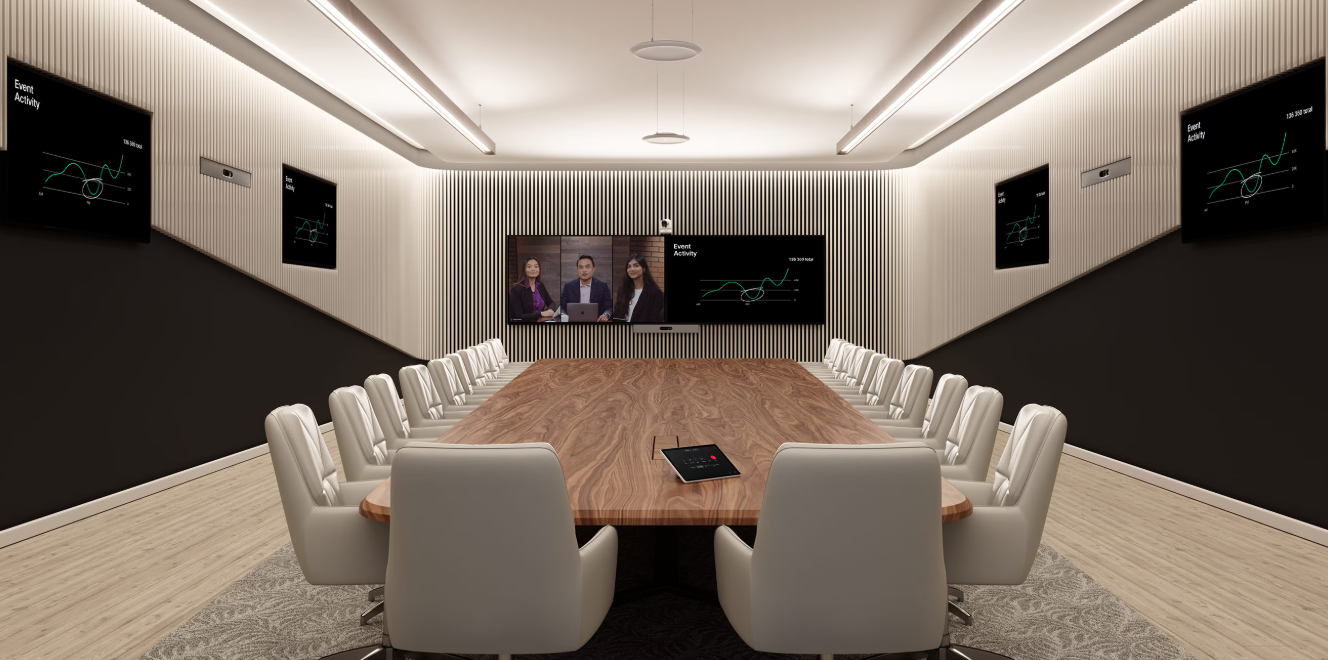
Hybrid meetings often fail because of poor audio, limited camera coverage, unreliable connections, or complicated technology that frustrates users. A properly designed AV system addresses these issues by integrating clear audio, intelligent cameras, reliable connectivity, and intuitive controls to create a consistent experience for everyone.
01
Identify The Pain Points
Review common complaints from employees and remote participants to understand where meetings are breaking down.
02
Evaluate The Meeting Experience
Assess audio quality, camera coverage, room acoustics, content-sharing workflows, and overall ease of use from both in-room and remote perspectives.
03
Implement Practical Improvements
Address the root causes through better room design, improved technology, user training, and standardized meeting experiences.
FAQs
-
The most common causes are poor audio quality, inadequate camera coverage, difficult content sharing, inconsistent room technology, and meeting spaces that were not designed for hybrid collaboration.
-
Many organizations focus on video first. In reality, poor audio is often the primary reason remote participants struggle to stay engaged and contribute effectively.
-
Yes. Many hybrid meeting challenges can be addressed through targeted upgrades to audio, video, room controls, and overall meeting room design.
-
Start with an assessment of the room's audio performance. If remote participants cannot hear clearly, even the best cameras and displays will not solve the underlying problem.
“It’s not that bad”. Right?
Many organizations blame hybrid work when meetings become frustrating. In reality, most hybrid meeting challenges can be traced back to poor audio, inadequate camera coverage, inconsistent room technology, or meeting spaces that were never designed for hybrid collaboration.
2
3
Improve Meeting Participation
Reduce Meeting Frustration
Increase Return On Investment
The right technology and room design help remote and in-person participants contribute equally, creating more productive discussions and better outcomes.
1
Eliminate common issues such as poor audio, bad camera angles, difficult content sharing, and technology delays that disrupt collaboration.
Organizations that address hybrid meeting challenges often see better adoption of meeting spaces, improved productivity, and fewer support requests.
How DVAI Helps
We design building-wide AV systems by first understanding how the organization operates, rather than starting with specific products. Meeting spaces, common areas, digital signage, audio, room scheduling, collaboration platforms, network infrastructure, and user expectations are considered together to create a consistent AV experience throughout the facility. Our goal is simple: recommend the right solution for your organization, not the most expensive one.
Assess → Design → Integrate → Commission → Support

About the Experts
DVAI is a business technology consulting and integration firm providing audiovisual, video conferencing, network and communications solutions. For more than 20 years, DVAI has worked with corporate, government, municipal and education organizations to design, integrate and support workplace technology environments.